
NEW AT THE SCHOOL OF PROFESSIONAL AND CONTINUING EDUCATION! Fundamentals of Basic and Clinical Immunology
ENROLLMENT NOW OPEN
COURSE DESCRIPTION AND OBJECTIVES
The course “Fundamentals of Basic and Clinical Immunology” offers professionals in biology, medicine, and public health an opportunity to enhance their qualifications and deepen their understanding of the following key biomedical areas:
- Basic Immunology – organization and functioning of the human immune system; antigens, antibodies, immunocompetent cells, and the fundamental mechanisms of immune responses.
- Immunopathology – mechanisms underlying inflammation, hypersensitivity reactions, autoimmune disorders, and immunodeficiency conditions.
- Clinical and Translational Immunology – immunological foundations of infectious diseases, cancer, transplantation, and reproduction.
- Immunodiagnostics and Therapy – principal diagnostic methods, principles of immunoprophylaxis and immunotherapy, and the application of immunological knowledge to clinical case studies.
Course Objectives
The course aims to develop the following knowledge and competencies:
- Understanding the fundamentals of cellular interactions and the regulation of immune responses;
- Distinguishing between innate and adaptive immunity, as well as cellular and humoral immune responses;
- Understanding the characteristics and functions of different classes of antibodies;
- Explaining the mechanisms underlying major immunopathological reactions and associated diseases;
- Developing the ability to select appropriate diagnostic methods for specific immune-mediated conditions;
- Applying immunological knowledge to clinical cases involving blood groups, transplantation, and hypersensitivity reactions.
WHO IS THIS COURSE FOR?
The course is designed for professionals and students in biology, medicine, dentistry, veterinary medicine, and public health who wish to expand and deepen their knowledge of immune system function and the applications of immunology in modern medicine.
The course is particularly suitable for:
- Healthcare professionals seeking to update and consolidate their knowledge of basic and clinical immunology;
- Biologists and professionals working in biomedical sciences, laboratory diagnostics, and scientific research;
- Professionals in public health and related biomedical disciplines;
- Doctoral students, medical residents and trainees, and advanced students in medicine, biology, dentistry, and veterinary medicine.
Prerequisites: Basic knowledge of the structure and functioning of human cells and organs.
COURSE CONTENT
The curriculum covers the main areas of basic, clinical, and applied immunology, combining theoretical knowledge with the analysis of clinical cases.
- Fundamentals of Immunology: Innate and adaptive immunity; organization and functioning of the immune system; immunocompetent cells; cellular communication, cytokines, chemokines, and the complement system.
- Antigens, Antibodies, and Immune Responses: Types of antigens, vaccines, structure and functions of immunoglobulins; cellular and humoral immunity; mechanisms and regulation of immune responses.
- Immunological Compatibility and Reproduction: Blood group and Rh antigens; major histocompatibility complex (MHC/HLA); immunological foundations of transplantation, immune tolerance, and reproduction.
- Clinical Immunology and Immunopathology: Immunology of inflammation, infectious diseases, and cancer; hypersensitivity reactions; immunity in stress and aging.
- Immunodiagnostics: Modern serological and cellular diagnostic methods, including ELISA, immunofluorescence, immunohistochemistry, and flow cytometry.
- Immunotherapy and Modern Therapeutic Approaches: Monoclonal antibodies, immune checkpoint inhibitors, CAR-T cells, and biological therapies.
- Clinical Case Studies: Application of acquired knowledge to cases involving immunological diagnostics, blood groups, transplantation, and hypersensitivity reactions.
LEARNING OUTCOMES AND COMPETENCIES
Upon successful completion of the course, participants will have acquired the following knowledge and skills:
Knowledge
Participants will understand:
- The organization, main components, and mechanisms of the immune system;
- The characteristics of innate and adaptive immunity, including cellular and humoral immune responses;
- The structure, classes, and functions of antibodies;
- The mechanisms of immunological reactions and their role in inflammatory, infectious, autoimmune, and other immune-mediated diseases;
- The immunological foundations of transplantation, reproduction, and cancer;
- The principal methods of immunological diagnostics and the fundamentals of modern immunotherapy.
Skills
Participants will be able to:
- Explain the mechanisms of immune responses and interactions between the main components of the immune system;
- Identify and analyze key immunopathological mechanisms and their relationship to clinical conditions;
- Assess the suitability of different immunodiagnostic methods for specific clinical problems;
- Interpret fundamental immunological processes related to blood group and tissue compatibility;
- Apply acquired knowledge to the analysis and resolution of clinical cases involving transplantation, hypersensitivity, and immune-mediated diseases.
COURSE ASSESSMENT
Participants will demonstrate their acquired knowledge and skills through clinical case studies and a short test administered at the end of the course.
COURSE INSTRUCTOR
Prof. Viktoria Sarafyan, MD, PhD, DSc
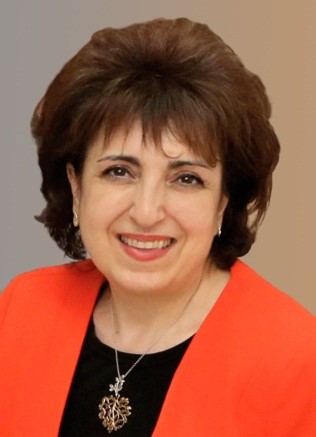
Prof. Viktoria Sarafyan is an established scientist and academic specializing in basic and clinical immunology, medical biology, and molecular medicine, with extensive experience in teaching, scientific research, and clinical diagnostics.
She has been a Professor of Immunology at the Medical University of Plovdiv since 2009. From 2011 to 2019, she served as Vice-Rector for Research, and from 2012 to 2024, she headed the Department of Medical Biology. She also served as Director of the Doctoral School (2014–2019) and Director of the university's Research Institute (2023–2024). She heads the Molecular and Regenerative Medicine Division within the Research Institute.
Prof. Sarafyan holds a Doctor of Medical Sciences (DSc) degree in Immunology and has specialized in clinical immunology and medical biology. She has undertaken advanced research training at the University of Cambridge (United Kingdom), the University of Namur (Belgium), and a biological research institute in Nantes (France). She has also been a visiting professor at universities in Belgium, Poland, Italy, Portugal, and Romania.
Her research focuses on clinical and tumor immunology, cellular and molecular biology, molecular diagnostics, and regenerative medicine. She has extensive experience leading and coordinating national and international research projects, including projects funded under European research programmes. She serves as a Bulgarian national representative in the Health configuration of the Horizon Europe Framework Programme and participates in the management of European COST research networks.
Her academic output includes 209 peer-reviewed and indexed scientific publications, 56 academic textbooks and teaching manuals, and four monographs. According to her academic CV, her work has received more than 1,970 citations, and her h-index is 22.
Prof. Sarafyan has received numerous academic distinctions, including awards for Inspirational Teacher and Best Teacher, and was nominated for Bulgaria's national Pythagoras Award for scientific achievements in 2024.
COURSE SCHEDULE AND TUITION FEE
The course comprises 40 academic hours and will take place subject to a minimum enrollment of 10 participants, according to the following schedule:
- January 16, 2027: 10:00 AM–1:00 PM and 2:00 PM–5:00 PM (8 academic hours), in person at New Bulgarian University.
- January 17, 2027: 10:00 AM–1:00 PM and 2:00 PM–5:00 PM (8 academic hours), online.
- January 23, 2027: 10:00 AM–1:00 PM and 2:00 PM–5:00 PM (8 academic hours), online.
- January 24, 2027: 10:00 AM–1:00 PM and 2:00 PM–5:00 PM (8 academic hours), online.
- January 30, 2027: 10:00 AM–1:00 PM and 2:00 PM–5:00 PM (8 academic hours), in person at New Bulgarian University.
The course may be delivered in Bulgarian or English. Applicants are required to indicate their preferred language of instruction in the application form.
Tuition Fee: €250
Application Deadline: January 6, 2027
HOW TO APPLY
- Download the application form HERE.
- Complete the form and send it to uppo@nbu.bg.
- Payment instructions will be provided separately.
FOR FURTHER INFORMATION AND REGISTRATION:
Center for Professional and Continuing Education (CPCE)
New Bulgarian University
21 Montevideo Street, Sofia, Bulgaria
Building 2, Office 108
Tel.: +359 2 8110 110 (option 6), +359 2 8110 108
E-mail: uppo@nbu.bg